Alright guys. Between work, training, kids, life. I am always found with my Man Purse (as my wife would call it) for the last little bit I have been searching for something that will hold my pump, glucometer, lancet, and strips, and I have found it.
Now mind you I am particular. Not a big fan of bulky things hanging off me. I ran into this company PAKBARA that has a sweet little product with several sites for your pump line to come out. so it isn't as awkward depending on where you have it located. I have been using it testing it out this last week in numerous facets. At work hanging off my belt. In training on bike, running, etc.. and I love it.
So in a nutshell of I love the idea of not having to carry around my "man purse" as I go about my daily business doing my random daily things (work, training etc...)
Check it out
http://www.pakbara.com
Friday, May 20, 2011

Wednesday, May 11, 2011
St. George has humbled me
As most of you have known the last year I have been working towards the St. George Ironman. 2.4 mile swim in the Sand Hollow Reservoir, 112 mile bike around the Northwest side of the area and then a 26.2 Mile run in the area.
Preparations went nearly perfect we arrived in time to settle and prepare for an epic race. Race day morning was not rushed at all in fact I was quite pleased with how peaceful it was. The cannon went off and we were on our way. A few people climbed over me kicked me in the face and gut, but that was as is expected.
Transition one was seamless and I was off to a great start on the bike averaging 18-21 mph for the first 30-40 miles and then it went down hill from there. At mile 54 just before "The Wall" the infamous 17% grade climb I tested my blood sugars 610 no wonder why i was feeling crappy. I bolused and began to climb frustrated that my dexcom wasn't alerting me and working with me. I got to the top of the wall and started to descend off the back side hitting 45-50 mph speeds. The only problem was I started blacking out. I pulled over to a spectator that was helping a police officer block and intersection and attempted to down some electrolytes. That lasted for about 30 seconds and came back up. I tried to keep going but ended up blacking out again. I pulled over and passed out on the side of the road. Spectators were there to help me off my bike, but by then i was in and out of consciousness. I unfortunately was pulled from the race and unable to finish, but I knew things were right.
Lessons learned.
-Check things a bit sooner (blood sugar wise)
-Dont rely entirely on Dexcom
-Check pump site and possibly alternate to a second site.
-carry a spare syringe with you
-Drink water religiously before the race
In this situation i feel my training and preparation was on cue. I think overall, i could have paid better attention to how my pump was functioning.
St. George Redemption is underway.
REV 3 at Cedar point Ohio is my next full iron distance race which is planned for Sept 11, 2011. I am looking forward to it as I will be toe to toe with some of my favorite people.
Preparations went nearly perfect we arrived in time to settle and prepare for an epic race. Race day morning was not rushed at all in fact I was quite pleased with how peaceful it was. The cannon went off and we were on our way. A few people climbed over me kicked me in the face and gut, but that was as is expected.
Transition one was seamless and I was off to a great start on the bike averaging 18-21 mph for the first 30-40 miles and then it went down hill from there. At mile 54 just before "The Wall" the infamous 17% grade climb I tested my blood sugars 610 no wonder why i was feeling crappy. I bolused and began to climb frustrated that my dexcom wasn't alerting me and working with me. I got to the top of the wall and started to descend off the back side hitting 45-50 mph speeds. The only problem was I started blacking out. I pulled over to a spectator that was helping a police officer block and intersection and attempted to down some electrolytes. That lasted for about 30 seconds and came back up. I tried to keep going but ended up blacking out again. I pulled over and passed out on the side of the road. Spectators were there to help me off my bike, but by then i was in and out of consciousness. I unfortunately was pulled from the race and unable to finish, but I knew things were right.
Lessons learned.
-Check things a bit sooner (blood sugar wise)
-Dont rely entirely on Dexcom
-Check pump site and possibly alternate to a second site.
-carry a spare syringe with you
-Drink water religiously before the race
In this situation i feel my training and preparation was on cue. I think overall, i could have paid better attention to how my pump was functioning.
St. George Redemption is underway.
REV 3 at Cedar point Ohio is my next full iron distance race which is planned for Sept 11, 2011. I am looking forward to it as I will be toe to toe with some of my favorite people.
Monday, April 4, 2011
Sometimes its too much
So yesterday I got my run on. I was charged up for another epic 20 mile run on a rare beautiful spring day in the Northwest. I started prepping about an hour or so prior to with some Gen Ucan. My sugar levels were ideal, and so I gave myself a little bolus and disconnected my animas pump. (total time off pump 4 hr) Leaving out the door with my dexcom CGMS, headphones playing matisyahu, and my polar ft7. Your probably thinking wait a minute vincent were is your garmin?
Me personally, I am starting to realize that I over analyze a lot of what I do and it doesn't always need to be as difficult, which can ultimately distract you from why you run, bike, swim workout... There are many times where knowing exactly were you have been and how fast your going etc... are important, but sometimes this overshadows why you do your thing. Sometimes its better to just simplify. So I set my course and ran quickly reminding myself why I love to run the simple mechanics of the run. The focus of your gate, your breath, the beat, and the next ten feet, something I hadn't done for some time. With my blood sugars within range from the slow drip of my lemonade ucan and my pace keeping in the ideal range, and my heart rate in low zone 3 monitored from my watch other than that "nothing else mattered"
Really grateful for the challenges life has thrown at me over the last few years. Although it hasn't been easy it sure has helped me not to take for granted the things around me
Me personally, I am starting to realize that I over analyze a lot of what I do and it doesn't always need to be as difficult, which can ultimately distract you from why you run, bike, swim workout... There are many times where knowing exactly were you have been and how fast your going etc... are important, but sometimes this overshadows why you do your thing. Sometimes its better to just simplify. So I set my course and ran quickly reminding myself why I love to run the simple mechanics of the run. The focus of your gate, your breath, the beat, and the next ten feet, something I hadn't done for some time. With my blood sugars within range from the slow drip of my lemonade ucan and my pace keeping in the ideal range, and my heart rate in low zone 3 monitored from my watch other than that "nothing else mattered"
Really grateful for the challenges life has thrown at me over the last few years. Although it hasn't been easy it sure has helped me not to take for granted the things around me
Sunday, April 3, 2011
Fellow Triabetes Captain
I just wanted to share with you all another Team Captain from Triabetes
Svati YOU ARE MY HERO!!!
Intro: Diabetes and Exercise (or, why I started this blog)
You could say that diabetes and running have been my main extracurricular activities for the past several years. Succeeding in both of these areas demands a lot of hard work, with great rewards as well as disappointments. Sports and chronic illnesses can, on their own, teach individuals about discipline, dedication, and persistence. For me, trying to make distance running and diabetes mix has been the biggest lesson of all.
Type 1 Diabetes is primarily a problem with balance – the balance of food, exercise, and insulin in the body, which is easily maintained in most people with healthy pancreases. It’s sort of like an equation. Actually, having to think about everything I eat, test my blood sugar constantly and fine-tune my insulin doses might not be so bad if only there was some perfect mathematical formula. Unlike equations from algebra class, though, diabetes cannot be solved or balanced. There are tons of variables to throw into this one, and anytime I factor in running, my favorite activity, I end up with an inequality. Different types of workouts require different amounts of insulin; the number of carbs I eat before a workout depends on how many miles I plan to run; for hours after exercise my body might be more or less sensitive to insulin than it usually is.
I will always believe that joining the cross country team as a high school freshman was the best decision I’ve ever made; distance running, while not always easy, is incredibly rewarding. There were many times when I thought that diabetes was a good reason for me to abandon the sport, though. One of my favorite phrases throughout high school was “diabetes and distance running don’t mix!” It’s true that balancing blood sugars and insulin, hard enough on its own, seems to become exponentially more difficult when sports are added to the equation. But finally I have decided that the extra work required to train and race safely with diabetes is worth it. There will be no more questioning or wavering on this issue for me, mainly because of the many amateur and professional diabetic athletes I have come to know and admire over the past few years.
I’ve met diabetics who’ve climbed Mount Everest and diabetics who’ve completed Ironman triathlons. I’ve met a whole community of people with Type 1 who not only refuse to let this disease stop them from being active, but actually encourage regular exercise and outdoor adventuring as a way to make life with diabetes better. This is where Insulindependence comes in. Insulindependence, or "iD," facilitates and strengthens this community of athletes with diabetes, and this community inspires me in a way that my high school running coach never could: it acknowledges my everyday struggles with diabetes but insists that it is possible to achieve peak performance as an athlete if I just struggle a little harder sometimes. Insulindependence has pioneered the concept of “experiential diabetes education,” which is learning and practicing diabetes management skills through sport. The idea that sport can actually improve the quality of life with diabetes, and can be an important educational tool for individuals with diabetes, is truly revolutionary.
Insulindependence is, I guess, the reason I started this blog. Being selected as a 2011-2012 Captain for iD's Testing Limits program has given me a year-long task through which I will have the opportunity to help others in a meaningful way and learn more about myself at the same time. Seeing how many other iD Captains maintain blogs made me realize that this experience is something worth chronicling. This blog may only last until next summer, when my formal assignment as a TL Captain ends, but we'll see... maybe I'll enjoy blogging so much that I'll stick with it long afterward.
Svati YOU ARE MY HERO!!!
Intro: Diabetes and Exercise (or, why I started this blog)
You could say that diabetes and running have been my main extracurricular activities for the past several years. Succeeding in both of these areas demands a lot of hard work, with great rewards as well as disappointments. Sports and chronic illnesses can, on their own, teach individuals about discipline, dedication, and persistence. For me, trying to make distance running and diabetes mix has been the biggest lesson of all.
Type 1 Diabetes is primarily a problem with balance – the balance of food, exercise, and insulin in the body, which is easily maintained in most people with healthy pancreases. It’s sort of like an equation. Actually, having to think about everything I eat, test my blood sugar constantly and fine-tune my insulin doses might not be so bad if only there was some perfect mathematical formula. Unlike equations from algebra class, though, diabetes cannot be solved or balanced. There are tons of variables to throw into this one, and anytime I factor in running, my favorite activity, I end up with an inequality. Different types of workouts require different amounts of insulin; the number of carbs I eat before a workout depends on how many miles I plan to run; for hours after exercise my body might be more or less sensitive to insulin than it usually is.
I will always believe that joining the cross country team as a high school freshman was the best decision I’ve ever made; distance running, while not always easy, is incredibly rewarding. There were many times when I thought that diabetes was a good reason for me to abandon the sport, though. One of my favorite phrases throughout high school was “diabetes and distance running don’t mix!” It’s true that balancing blood sugars and insulin, hard enough on its own, seems to become exponentially more difficult when sports are added to the equation. But finally I have decided that the extra work required to train and race safely with diabetes is worth it. There will be no more questioning or wavering on this issue for me, mainly because of the many amateur and professional diabetic athletes I have come to know and admire over the past few years.
I’ve met diabetics who’ve climbed Mount Everest and diabetics who’ve completed Ironman triathlons. I’ve met a whole community of people with Type 1 who not only refuse to let this disease stop them from being active, but actually encourage regular exercise and outdoor adventuring as a way to make life with diabetes better. This is where Insulindependence comes in. Insulindependence, or "iD," facilitates and strengthens this community of athletes with diabetes, and this community inspires me in a way that my high school running coach never could: it acknowledges my everyday struggles with diabetes but insists that it is possible to achieve peak performance as an athlete if I just struggle a little harder sometimes. Insulindependence has pioneered the concept of “experiential diabetes education,” which is learning and practicing diabetes management skills through sport. The idea that sport can actually improve the quality of life with diabetes, and can be an important educational tool for individuals with diabetes, is truly revolutionary.
Insulindependence is, I guess, the reason I started this blog. Being selected as a 2011-2012 Captain for iD's Testing Limits program has given me a year-long task through which I will have the opportunity to help others in a meaningful way and learn more about myself at the same time. Seeing how many other iD Captains maintain blogs made me realize that this experience is something worth chronicling. This blog may only last until next summer, when my formal assignment as a TL Captain ends, but we'll see... maybe I'll enjoy blogging so much that I'll stick with it long afterward.
Friday, March 18, 2011
snake bite????
Man!! I need to get better at this blog thing. I swear-its way too far and in between that I get my posts in.
Well, this last month I had the privelege of visiting Triabetes Captain, Jenny Crandell and her family. It was a privilege to be invited to run with them at the Ragnar Del Sol in Phoneix Az. As we were leaving the parking lot after the start of the race, there was a nice big sign that said BEWARE of RATTLESNAKES....SWEET!!!!
Report:
Race start was cold, frosty and in the middle of Nowhere, AZ...Wickenburg, I think. It was great!! felt like I was in some cowboy flick. We were off to a great start with 20 roadkills from the first leg-our momentum was epic. For my first run, I couldn't have asked for better conditions. The weather warmed up, the sun was out, the shirt was off and man-it felt great to get some sun on the skin. My run brief but perfect.
Second run approx. same distance with a nice uphill for a good portion. Felt great-really enjoyed the cool crisp night air, but felt really spooky at times. At this point we were somewhat in the lead of the pack(We over estimated our team's pace by far and ended up starting a bit too early, which put us at the head of the pack for most of the race). As a result, at most of the exchanges we didn't see too many people, there weren't as many cars, and as we progressed our kills got fewer and fewer and so by my second run it was just me and the desert.
I had the privilege of accompanying a fellow teammate and first time "ragnarian" as she was leary of her second midnight desert running. Between the occasional coyote sightings and the ferocious havalinas, I didn't blame her. So I gladly accepted the invitation to run again. It was great- we joked a bit and were enjoying the night run and I quickly forgot any immediate threat that might be looming around the corner. As I wasn't paying too much attention, i wasn't aware of what was waiting for me in the distance, and within moments i instantly felt something grab onto my leg and peirce my skin. I panicked!! As I jumped I heard rattling noises come from my right side. I started to freak out which I'm sure made my running buddy panic even more. I started to settle down and with my little headlamp assessed what the issue was. Dang semi trailers and their wire laden wheels that are blown out and lay to bake on the side of the road. I had perfectly stepped into this coiled mess and felt wire pierce a small portion of my calf. I had heard the metal drag along the concrete which was a tad deceiving as it made a bit of a rattling noise as I dragged it along the road. Relieved it was nothing more than that, we continued on.
Third leg was perfect!! A tad sleep deprived, but felt great. Legs were fired up and ready to enjoy. As I started my longer of the three runs, the sun joined me over my left shoulder showing the gorgeous horizon of cactus, sage brush, and gorgeous snow peaked mtns in the distance.
Our run finished relatively early at noon in beautiful Tempe Park.
Many thanks to the Crandell family for allowing me to join in and be a part of such a great group.
Well, this last month I had the privelege of visiting Triabetes Captain, Jenny Crandell and her family. It was a privilege to be invited to run with them at the Ragnar Del Sol in Phoneix Az. As we were leaving the parking lot after the start of the race, there was a nice big sign that said BEWARE of RATTLESNAKES....SWEET!!!!
Report:
Race start was cold, frosty and in the middle of Nowhere, AZ...Wickenburg, I think. It was great!! felt like I was in some cowboy flick. We were off to a great start with 20 roadkills from the first leg-our momentum was epic. For my first run, I couldn't have asked for better conditions. The weather warmed up, the sun was out, the shirt was off and man-it felt great to get some sun on the skin. My run brief but perfect.
Second run approx. same distance with a nice uphill for a good portion. Felt great-really enjoyed the cool crisp night air, but felt really spooky at times. At this point we were somewhat in the lead of the pack(We over estimated our team's pace by far and ended up starting a bit too early, which put us at the head of the pack for most of the race). As a result, at most of the exchanges we didn't see too many people, there weren't as many cars, and as we progressed our kills got fewer and fewer and so by my second run it was just me and the desert.
I had the privilege of accompanying a fellow teammate and first time "ragnarian" as she was leary of her second midnight desert running. Between the occasional coyote sightings and the ferocious havalinas, I didn't blame her. So I gladly accepted the invitation to run again. It was great- we joked a bit and were enjoying the night run and I quickly forgot any immediate threat that might be looming around the corner. As I wasn't paying too much attention, i wasn't aware of what was waiting for me in the distance, and within moments i instantly felt something grab onto my leg and peirce my skin. I panicked!! As I jumped I heard rattling noises come from my right side. I started to freak out which I'm sure made my running buddy panic even more. I started to settle down and with my little headlamp assessed what the issue was. Dang semi trailers and their wire laden wheels that are blown out and lay to bake on the side of the road. I had perfectly stepped into this coiled mess and felt wire pierce a small portion of my calf. I had heard the metal drag along the concrete which was a tad deceiving as it made a bit of a rattling noise as I dragged it along the road. Relieved it was nothing more than that, we continued on.
Third leg was perfect!! A tad sleep deprived, but felt great. Legs were fired up and ready to enjoy. As I started my longer of the three runs, the sun joined me over my left shoulder showing the gorgeous horizon of cactus, sage brush, and gorgeous snow peaked mtns in the distance.
Our run finished relatively early at noon in beautiful Tempe Park.
Many thanks to the Crandell family for allowing me to join in and be a part of such a great group.
Thursday, February 10, 2011
Wednesday, February 9, 2011
Cold Water Swimming
Found this great post on cold water swimming
http://triswimcoachonline.com/tri/swimming-in-cold-water/
http://triswimcoachonline.com/tri/swimming-in-cold-water/
Who needs superman!
Growing up Superman was always my thing! I used to wake up in my superman pj's with red underwear sporedt over my PJ's. I used to watch the movies, and run around the house copying the movements of superman singing the theme song at the top of my lungs. I had everything a superman fan could ask for from the outfit to the toys all the way down to my favorite blanket, and sad thing is I am 30 years old and still to this day have that very blanket. Somethings we just cant part with, right! (that is me justifying). I realized the other day WHO NEEDS SUPERMAN, as I saw this very phrase in a tweet it made me seriously think.
Every day I continue to be inspired with those around me, and realize those who are my true heros are those who look at life the same way i envision superman to. NO FEAR and limitless! Why do we limit ourselves? Why do we allow for the words can't or cannot be introduced into our vocabulary.
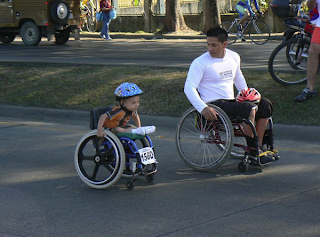
Life is meant to be lived.
LIVE IT!
Every day I continue to be inspired with those around me, and realize those who are my true heros are those who look at life the same way i envision superman to. NO FEAR and limitless! Why do we limit ourselves? Why do we allow for the words can't or cannot be introduced into our vocabulary.

Life is meant to be lived.
LIVE IT!
Thursday, January 27, 2011
Insulin at Carlsbad
I am just finally getting things back to normal after an amazing weekend in Carlsbad Cali. Here was a break down of the epic weekend.
Arrived early friday morning at the San Diego airport to be greeted by the sun and gorgeous 70+ temps, man was that a welcoming site. Loved the feeling of my skin feeling a bit of the warmth from the sun as opposed to the cold moisture that has been the norm for the last few months. I quickly picked up my rental vehicle (4 door jeep) and the first thing was to pull the top off and drive up to Carlsbad to join fellow Insulindependence peeps at the Expo. What an amazing spread the Carlsbad folks put on for the event.
Saturday morning we my fellow Triabetes team captains and I joined up with the local Insulindependence crew for a Dawn Phenom event enjoying the sun, food, and the surf. Man it has been awhile since I have made it out on a board. After cleaning up we drove down to San Diego and walked around the endurance expo. It was great to run into Peter Kaufman from GenerationUCAN and to see all the progress they are making. The night I made it back to Carlsbad for a great banquet to which I had the privilege of running into more Type 1 and 2 and humbled to hear their stories as they are overcoming their challenges and struggles in life. Early bedtime that night as the Carlsbad Marathon/half was early the next a.m.
Alright so aside from the traffic of getting their first thing in the morning. I have found my favorite Marathon. It starts near the local mall and within a mile you are running along the beach enjoying the sun, and watching as the surf breaks over the beach. The volunteers were amazing, the water stations were perfectly spaced, and the crowds were perfect. This race I had the privilege of running with fellow captain Jenny Crandell. Jenny made it a goal to try and finish this race under 2 hours so I helped pace her for the event. Although we did not make her goal she did PR with a 2:02 half. WELL DONE JENNY!!!
Glad to be a part of the story or at least my "Yellow running shoes"
http://www.signonsandiego.com/news/2011/jan/26/local-volunteer-didnt-run-in-the-carlsbad/
Sunday afternoon we all Celebrated a great run, and then it was back home to the Rainey Pacific Northwest.
Here is Coach Andy Minck recap of his race
Insulindependence.org. (If you like this story, please give $10 or more to the organization that means the world to me, and the reason I did this past marathon).
Marathon Dumbness:
Marathons should not be taken lightly, no matter how many you do, or how well you think you can do. Its still a long way to run. When you do it without your own shoes, it seems even longer.
You read right, not my own shoes.
This all started back in October-January. I needed to get new shoes by October, but I waited, waited, waited, waited. Procrastinated, procrastinated and procrastinated. Sure enough it was Wednesday before the marathon. I have the most broken down shoes I have ever run in. I did not want to run in them for Sunday's race. It wasn't ideal, but I decided to get a new shoe, run in it a couple of times, and then race. If your counting this is dumbness number 1, and 2.
Dumbness 3 was the kicker. As I was focusing on the nightmare of taking public transportation to Newark airport from Brooklyn (3 trains and 12.75 if you wanted to know) I grabbed my bag and headed out the door. Almost off the subway at Penn Station, people in the next car could see the white of my eyes. The expression "Oh S&!!" written all over those eyes and face. I never tied those new shoes to the side of my backpack, my only luggage. Oh well, I guess Ill just buy more in San Diego.
As soon as I got there, surfing came up, good friends and food. The procrastination continued It comes down to Saturday night, and I have no shoes. A great friend asked if I wanted to use his size 10 shoes. Yep, there my size, why not? Dumbness number 4.
Sunday morning comes, I put his shoes on and get ready to run. Sure they're a little snug, but they're okay. Mile 6,7,8,9 somethings not right. My toes are starting to hurt. Downhills are especially painful. Mile 10,11,12,13,14,15. DANG Im slowing down. Was doing 6:20 minute miles now doing 6:35's. Okay not the end of the world. Turn around comes at mile 18. Two things came to mind "either I ask for shoes at the aid station from volunteers or I go barefoot, not going a foot more in these shoes!" Being unbashful I yell at the crowd. "DOES ANYONE HAVE A 10 1/2 or 11 SHOE!!??!!" (Didn't want them to be too small) Sure enough a great and awesome older gentleman says "YA". Right there at the aid station at mile 18 he takes off his shoe and gives me his super supportive "Avia's" I untie the double knots he had on, tied 'em up and we discussed really quickly that they will be at the "Shoe-Giveaway" at the end. I ran from mile 18-26.2 in his shoes. Second pair of shoes that I didn't own, but ran in. The timing chip though was still on my left shoe. What to do? What to do? No time to think, I ran with that shoe in my hand from mile 18-26.2. Every checkpoint on the ground, I bent over so that the shoe could connect with the ground electronic timing device." Quite the scene, according to the spectators.
I went from a possible PR of 2:55 to finishing a "save face" goal of under 3 hours. 2:59.40. Thanks to my friend who gave me his shoe, and thanks to that VERY Special Volunteer. In 2011 with all the bad news, you don't always get to hear about that "special volunteer" Thanks to him! Thanks to him! Thanks to him, I could still break a 3hr marathon. And yes. I have VERY black and blue toenails!
Oh, and if you want to race a marathon, my advice is BRING YOUR OWN SHOES.
Video of me crossing the finish line can be seen at Brightroom at http://www.brightroom.com/go.asp?92094626 (SUPER FUNNY, but painful)
You can see the early morning photos' I have a yellow shoes on, and towards the end I have large white ones on.
Arrived early friday morning at the San Diego airport to be greeted by the sun and gorgeous 70+ temps, man was that a welcoming site. Loved the feeling of my skin feeling a bit of the warmth from the sun as opposed to the cold moisture that has been the norm for the last few months. I quickly picked up my rental vehicle (4 door jeep) and the first thing was to pull the top off and drive up to Carlsbad to join fellow Insulindependence peeps at the Expo. What an amazing spread the Carlsbad folks put on for the event.
Saturday morning we my fellow Triabetes team captains and I joined up with the local Insulindependence crew for a Dawn Phenom event enjoying the sun, food, and the surf. Man it has been awhile since I have made it out on a board. After cleaning up we drove down to San Diego and walked around the endurance expo. It was great to run into Peter Kaufman from GenerationUCAN and to see all the progress they are making. The night I made it back to Carlsbad for a great banquet to which I had the privilege of running into more Type 1 and 2 and humbled to hear their stories as they are overcoming their challenges and struggles in life. Early bedtime that night as the Carlsbad Marathon/half was early the next a.m.
Alright so aside from the traffic of getting their first thing in the morning. I have found my favorite Marathon. It starts near the local mall and within a mile you are running along the beach enjoying the sun, and watching as the surf breaks over the beach. The volunteers were amazing, the water stations were perfectly spaced, and the crowds were perfect. This race I had the privilege of running with fellow captain Jenny Crandell. Jenny made it a goal to try and finish this race under 2 hours so I helped pace her for the event. Although we did not make her goal she did PR with a 2:02 half. WELL DONE JENNY!!!
Glad to be a part of the story or at least my "Yellow running shoes"
http://www.signonsandiego.com/news/2011/jan/26/local-volunteer-didnt-run-in-the-carlsbad/
Sunday afternoon we all Celebrated a great run, and then it was back home to the Rainey Pacific Northwest.
Here is Coach Andy Minck recap of his race
Insulindependence.org. (If you like this story, please give $10 or more to the organization that means the world to me, and the reason I did this past marathon).
Marathon Dumbness:
Marathons should not be taken lightly, no matter how many you do, or how well you think you can do. Its still a long way to run. When you do it without your own shoes, it seems even longer.
You read right, not my own shoes.
This all started back in October-January. I needed to get new shoes by October, but I waited, waited, waited, waited. Procrastinated, procrastinated and procrastinated. Sure enough it was Wednesday before the marathon. I have the most broken down shoes I have ever run in. I did not want to run in them for Sunday's race. It wasn't ideal, but I decided to get a new shoe, run in it a couple of times, and then race. If your counting this is dumbness number 1, and 2.
Dumbness 3 was the kicker. As I was focusing on the nightmare of taking public transportation to Newark airport from Brooklyn (3 trains and 12.75 if you wanted to know) I grabbed my bag and headed out the door. Almost off the subway at Penn Station, people in the next car could see the white of my eyes. The expression "Oh S&!!" written all over those eyes and face. I never tied those new shoes to the side of my backpack, my only luggage. Oh well, I guess Ill just buy more in San Diego.
As soon as I got there, surfing came up, good friends and food. The procrastination continued It comes down to Saturday night, and I have no shoes. A great friend asked if I wanted to use his size 10 shoes. Yep, there my size, why not? Dumbness number 4.
Sunday morning comes, I put his shoes on and get ready to run. Sure they're a little snug, but they're okay. Mile 6,7,8,9 somethings not right. My toes are starting to hurt. Downhills are especially painful. Mile 10,11,12,13,14,15. DANG Im slowing down. Was doing 6:20 minute miles now doing 6:35's. Okay not the end of the world. Turn around comes at mile 18. Two things came to mind "either I ask for shoes at the aid station from volunteers or I go barefoot, not going a foot more in these shoes!" Being unbashful I yell at the crowd. "DOES ANYONE HAVE A 10 1/2 or 11 SHOE!!??!!" (Didn't want them to be too small) Sure enough a great and awesome older gentleman says "YA". Right there at the aid station at mile 18 he takes off his shoe and gives me his super supportive "Avia's" I untie the double knots he had on, tied 'em up and we discussed really quickly that they will be at the "Shoe-Giveaway" at the end. I ran from mile 18-26.2 in his shoes. Second pair of shoes that I didn't own, but ran in. The timing chip though was still on my left shoe. What to do? What to do? No time to think, I ran with that shoe in my hand from mile 18-26.2. Every checkpoint on the ground, I bent over so that the shoe could connect with the ground electronic timing device." Quite the scene, according to the spectators.
I went from a possible PR of 2:55 to finishing a "save face" goal of under 3 hours. 2:59.40. Thanks to my friend who gave me his shoe, and thanks to that VERY Special Volunteer. In 2011 with all the bad news, you don't always get to hear about that "special volunteer" Thanks to him! Thanks to him! Thanks to him, I could still break a 3hr marathon. And yes. I have VERY black and blue toenails!
Oh, and if you want to race a marathon, my advice is BRING YOUR OWN SHOES.
Video of me crossing the finish line can be seen at Brightroom at http://www.brightroom.com/go.asp?92094626 (SUPER FUNNY, but painful)
You can see the early morning photos' I have a yellow shoes on, and towards the end I have large white ones on.
Wednesday, December 29, 2010
Excellent Article on Nutrition for Endurance Diabetic Athletes
Nutrition Needs for Diabetic Endurance Athletes
By Kimberly J. Mueller, MS, RD, CSSD
Have you recently been diagnosed with diabetes? Are you confused with how many carbohydrates you need to prevent erratic blood sugars and to enhance endurance performance? This article explores the latest research findings on nutrition for diabetic runners. Read on….
Introduction
It is estimated that some 16 million Americans currently suffer from diabetes mellitus with one-third of this population being undiagnosed cases. By 2025, trends indicate that an additional 6 million Americans and a total population of over 300 million worldwide will have diabetes. While the vast majority of individuals diagnosed have Type 2 Diabetes (formerly known as non-insulin dependent diabetes), more than 1 million individuals have Type 1 diabetes (formerly known as insulin dependent diabetes). Because Type 2 diabetes is generally associated with insulin resistance secondary to excessive body fat, this type of diabetes is far less common among an athletic population that includes runners. In contrast to Type 2 diabetes, Type 1 diabetes is typically triggered by an environmentally triggered autoimmune process that destroys pancreatic beta-cells, thereby rendering the body unable to manufacture insulin. Because of the inability to produce insulin, it is essential that Type 1 diabetics take insulin to help regulate their blood sugars. Furthermore, diet plays a critical role in prevention of both hyperglycemic (excessive blood sugar), which can lead to blindness, nerve damage, and kidney failure, and hypoglycemia (low blood sugar), which can lead to loss of concentration, shaking, shivering, and loss of consciousness. This article will explain the most important nutrition implications and recommendations for diabetic endurance athletes.
Role of Insulin in the Body
Secreted by the pancreas in response to consumption of carbohydrate-rich foods, insulin influences the metabolism of all body fuels and is essential for muscle development, growth, and energy. Perhaps the most recognized role of insulin and the most relevant for diabetic athletes is its ability to promote uptake and storage of glucose in muscle and fat cells. In the muscle, glucose is stored as glycogen, whose upkeep is important for prevention of the dreaded “wall” during endurance exercise and also helps enhance recovery by replenishing the glycogen used during exercise. In fat cells, the glucose is used to make fat, which can be released into the bloodstream as fatty acids and used as an alternative and more efficient fuel source during endurance exercise.
Insulin activity is diminished in both Type 1 and Type 2 diabetics. In Type 2 diabetics, there is increased insulin resistance secondary to a defect in an insulin receptor site or insulin-directed metabolism, leading to decreased insulin function throughout the entire body. In contrast, Type 1 diabetics fail to produce sufficient amounts of insulin, leading to elevated blood sugars (hyperglycemia), which is marked by increased thirst, hunger, and urination. If insulin resistance and blood sugar control are not improved through diet and exercise, blood insulin levels will increase leading to hyperinsulinemia, which is associated with increased risk for heart disease and heart attacks secondary to decreases in HDL cholesterol (aka “good cholesterol”), sodium retention, periodic high blood pressure, and high triglycerides.
Insulin activity and/or regulation of blood sugars in both Type 1 and Type 2 diabetics can be optimized through proper diet and exercise. One study discovered a 90% improvement in insulin activity upon completion of a 15-day fitness routine that included daily walking at 60% of the maximal aerobic capacity for 35 minutes.1 In addition, diabetics engaged in regular endurance activity such as running and cycling over a period of a year can increase glucose uptake by as much as 30%.2 Diet, which is discussed in the next section, also plays a significant role in the maintenance of optimal blood sugars.
Controlling Blood Sugars and Insulin Activity with Diet
The diabetic diet is a well-balanced meal plan that includes intake of all the foods specified in the Food Guide Pyramid (see Figure 1). The foods specified in the pyramid contain the following 3 energy-containing nutrients whose balance is paramount for regulation of blood sugars and peak performance:
• Carbohydrates: Foods rich in carbohydrates include bread, rice, pasta, cereal, crackers, chips, starchy vegetables (potatoes, corn, peas), fruit, milk and milk products, beans, cookies, and sugar.
• Fats: Foods rich in fat include avocados, coconut, olives, nuts, seeds, fried foods, high-fat meats such as ribs, bacon, and sausage, high-fat dairy foods such as ice cream, whole milk, and cheese, butter and margarine, oils.
• Protein: Foods rich in protein include legumes, nuts, dairy products such as milk, cottage cheese, and yogurt, meat, fish, poultry, soy products.
The main controversy with respect to creating a diabetic meal plan is how to balance out each of these nutrients. Some scientists believe that a diet rich in protein and fat with dietary restriction of carbohydrates will optimize blood sugar control and insulin activity while other scientists believe that a moderate intake of carbohydrate and protein with dietary restriction of fat will best serve the diabetic individual. However, before determining a balance that is conducive to optimal blood sugar control and peak performance, it is essential to calculate energy needs based on individual training demands.
Figure 1. American Diabetes Association Food Guide Pyramid
Calories
Energy in food is measured in calories. As an endurance athlete, energy demands are significantly higher than less active individuals due to the increased daily expenditure from physical activity. The goal for maintenance of lean mass is to obtain energy balance, which means energy consumption equals energy expenditure. More often than not, endurance athletes have trouble keeping up with their high calorie demands, which can lead to a negative energy balance. If severe enough, catabolism of lean mass occurs, thereby increasing risk for muscular injury. Furthermore, symptoms of hypoglycemia become more prevalent. Those wishing to drop body fat should not restrict more than 1,000 calories per day. Those athletes with a goal of increasing lean mass should consume slightly more calories (+250-500 calories) than they expend while maintaining their fitness routine. Diabetic endurance athletes have the same energy needs as non-diabetic athletes. Table 1 will help with calculation of individual energy needs based on daily activity.
Table 1. Daily energy needs based on activity level
ACTIVITY LEVEL DESCRIPTION OF ACTIVITY DAILY CALORIE REQUIREMENT PER POUND OF BODY WEIGHT
Less active Little or no sport activity 14-15
Moderate 45-60 minutes of moderate-intensity sport activity 16-20
Very Active 60-120 minutes of moderate-intensity sport activity 21-25
Extremely Active 120+ minutes of moderate-to-intense sport activity 25-30+
*Information adapated from Endurance Sports Nutrition by Suzanne Girard Eberle, MS, RD
Carbohydrates
The only food nutrient that can directly influence blood sugars and consequent energy levels are carbohydrates. During metabolism, carbohydrates are broken down into sugar, entering the bloodstream as glucose. In response to the rise in blood sugars, the pancreas releases insulin, which helps transport sugar from the blood into the muscles for energy production. Because of the nutrient’s primary role of supplying glucose or energy to our working muscles and brain, a diet rich in carbohydrates can help improve endurance performance. However, there is controversy as to whether a carbohydrate-rich diet is healthy for individuals with diabetes since insulin activity is compromised. Some scientists believe that a diet higher in protein and fat will help keep insulin levels at bay, helping the diabetic athlete control their blood sugars and perform at peak levels. More relevant, however, is the glycemic response of the carbohydrate. Instead of replacing all carbohydrates with protein-rich foods, which also tend to be higher in fat content, most health professional are encouraging diabetic athletes to limit their intake of refined carbohydrates (e.g., refined sugar and flour), which tend to spike insulin and cause hypoglycemia, and include more complex carbohydrates that contain some fiber (e.g., whole grains, most fruits) or protein (beans, low-fat dairy, sprouted wheat, soy).
The rate at which carbohydrates raise blood sugar and consequent insulin is measured by glycemic index (see www.mendosa.com/gilists.htm for listing of glycemic values of foods). Carbohydrate-rich foods with a high glycemic value enter the bloodstream rapidly, leading to a quick rise in blood glucose and the release of insulin. Several athletes complain of the hypoglycemic response associated with consumption of high glycemic foods. Furthermore, ingestion of high glycemic carbohydrates stimulates an enzyme called Lipoprotein Lipase (LPL), which has been named the “gatekeeper for fat storage by fat cells”. This enzyme sends the message to store foods in the fat cells, which is one suggested reason why the American population is getting fatter and experiencing more chronic disease.3 In a survey conducted at Harvard University’s School of Public Health, it was determined that of the top 20 carbohydrates ingested by Americans, 16 were high glycemic (see table 2). In fact, high glycemic snack foods comprise 25% of total caloric intake in the U.S.
In contrast, low glycemic foods, which tend to be higher in fiber or contain some protein, are converted into glucose slower than high glycemic foods and therefore, less insulin is needed to regulate blood sugar. In fact, fasting insulin levels have been shown to decline by 10% when consuming low-glycemic whole grains rather than high glycemic refined white flour.4 In addition, researchers believe that decreasing the intake of insulin-stimulating high glycemic foods will increase insulin activity by at least 50%, helping to improve glucose utilization during exercise and prevent cardiovascular disease. Finally, the hypoglycemic response associated with high glycemic foods is muted when replaced with low glycemic foods (see table 2 for low glycemic replacements). Therefore, diabetic athletes are encouraged to consume approximately 50-60% of their total daily calories from low-glycemic carbohydrates or approximately 3 grams per pound of body weight.
Table 2. Top 20 Carbohydrates Ingested By Americans
TOP 20 CARBOHYDRATES
INGESTED BY AMERICANS GLYCEMIC STATUS CHOOSE THIS LOW-GLYCEMIC FOOD INSTEAD…
1. Potatoes, white
2. White bread
3. Cold breakfast cereal
4. Dark bread
5. Orange juice
6. Banana
7. White rice
8. Pizza
9. Pasta
10. Muffins
11. Fruit punch
12. Coca-Cola (regular)
13. Apple
14. Skim milk
15. Pancake
16. Table sugar (sucrose)
17. Jam (with sugar)
18. Cranberry juice (with sugar)
19. French fries
20. Candy 1. High
2. High
3. High
4. High
5. Acceptable
6. High
7. High
8. Very high
9. Acceptable
10. High
11. High
12. High
13. Acceptable
14. Acceptable
15. High
16. High
17. High
18. High
19. High
20. High 1. Sweet potato
2. Sprouted wheat bread
3. Old Fashioned Oatmeal
4. 100% whole grain rye
5. Unsweetened apple juice
6. Peach
7. Parboiled High Amylose Rice
8. Cheese tortellini
9. Cheese Ravioli
10. 100% whole wheat bagel
11. Unsweetened peach juice
12. Diet Coke
13. Strawberries
14. Low-fat yogurt or cottage cheese
15. Buckwheat pancake
16. Fructose
17. Simply Fruit jam
18. Unsweetened pear juice
19. Mixed green salad
20. Fig Newton
Protein
Protein has several critical functions in the body, including creation of new cells when old ones die, formation of antibodies (which fight viruses and bacteria), creation of a visual pigment to help eyesight, formation of enzymes (e.g., digestive enzymes), and formation of hormones such as insulin. Furthermore, recent research suggests that protein in combination with carbohydrate (mixed meal) increases insulin activity by almost 50%. During metabolism, protein is broken down into amino acids which collect in a pool in our liver. These amino acids are relied upon to build protein for completion of the roles listed above. If protein intake is inadequate, the amino acid pool becomes dehydrated and catabolism of muscle tissue occurs. Excessive protein that the body does not need causes an overflow of the pool, which, despite myth, does not increase muscle mass. Rather, the kidneys work overtime to filter out the toxic byproducts of protein metabolism and the overflow of protein is stored as fat.
While it is well established that endurance athletes require more protein, there is no evidence suggesting an elevated protein intake will help with better blood glucose control in diabetic athletes. Therefore, diabetic athletes can follow the same recommendations as their non-diabetic counterparts, consuming approximately 15-20% of their total calorie intake from protein or approximately 0.55 to 0.75 grams per pound of body weight. Because of the increased risk for cardiovascular disease in diabetics, such lean protein sources as chicken or turkey (without skin), baked or broiled fish, soy products, round steaks, ‘loin’ cuts, and egg whites are recommended.
Fat
While fat provides a concentrated source of energy (almost double the potential energy of carbohydrates and protein), helping to spare glycogen reserves during prolonged exercise, excessive dietary intake of fat can have a profound impact on disease processes and can diminish endurance performance. Previous research confirmed the detrimental effects of saturated fats, which are found in animal foods and tropical oils, with respect to risk for cardiovascular disease in diabetics. More recently, however, researchers have discovered that saturated fat is not the worst type of fat. Instead, trans fatty acids, indicated by the word “hydrogenated” on food labels, play a larger role in the development of chronic disease.5,6 Trans fatty acids are found in vegetable shortenings, some margarines, crackers, cookies, cakes (especially pound cake), and many other foods made with or fried in partially hydrogenated fats. Risk for chronic disease can be substantially reduced if trans fatty acids and saturated fats are substituted with unsaturated fats—either polyunsaturated fats (mayonnaise, vegetable oils) or monounsaturated fats (fish oils, canola oil, olives, nuts). Overall, fat should not exceed 30% of the total calories consumed with no more than 10% coming from saturated and hydrogenated fats.
Dietary Recommendations for Endurance Sport Activity
The principle risk of endurance sport activity among diabetics, especially Type 1 diabetics, is hypoglycemia. Sustained aerobic activities, such as running, cycling, and swimming, rely on a mix of aerobically processed fuels, but the major sources are fats and carbohydrates. As the intensity of the activity rises, as in interval training or tempo runs, glucose utilization continues to increases, causing an array of hormonal responses including a decline in endogenous insulin and a corresponding increase in exogenous insulin absorption, all of which increase the risk for hypoglycemia.7 Therefore, diabetic athletes participating in prolonged exercise such as marathons, triathlons and long practices are recommended to supplement with carbohydrate and adjust their insulin dose accordingly as means to compensate for the accelerated glucose uptake during the activity.8
Pre-Exercise
A light-to-moderate pre-exercise meal helps to restock liver glycogen stores, which can be depleted if in a fasted state (haven’t eaten for 4 or more hours). Liver glycogen is converted back to glucose to maintain normal blood sugar during the initial stages of exercise. In exercise bouts lasting less than hour, additional carbohydrates are generally not needed unless blood sugars are less than 100 mg/dL. If blood sugars are low, it is desirable to consume a small snack consisting of approximately 15-30 grams of low glycemic carbohydrates (see table 3) to help prevent a hypoglycemic event.
In preparation for aerobic exercise lasting greater than 1-hour, a more substantial meal is recommended unless blood sugars are over 200 mg/dL. For every hour prior to the start of exercise, the diabetic athlete should consume a well-balanced meal that includes approximately 30-50 grams of low-glycemic carbohydrates. Make sure to allow adequate time for digestion. In addition, it is recommended to consume approximately 16 ounces of fluids—water or a sports drink with <10% carbohydrate—within the hour leading up to exercise start.
Table 3. Carbohydrate Intake Recommendations for Sport Activity
Type of Activity Blood Glucose Level Carbohydrate Intake Recommendations Example of Snack
Short duration at low-to-moderate intensity exercise (e.g., walk ½ mile, leisure bike <30 minutes) <80 mg/dL
>80 mg/dL 30 grams
10-15 grams 1 cup canned fruit (in juice)
1 orange
Moderate intensity exercise
(swim, jog, cycling for 1 hour) <80 mg/dL
80-180 mg/dL
180-300 mg/dL
300+ mg/dL 30 grams + small amount of protein
10-15 grams
No extra food
Exercise not recommended ½ peanut butter sandwich
1-2 Figs
High intensity strenuous exercise (running race, interval workout, strenuous cycling or swimming, exercise longer than 1-hour) <80 mg/dL
80-180 mg/dL
180-300 mg /dL
300+ mg/dL ~50 grams plus some protein
30 grams plus some protein
10-15 grams plus some protein
Exercise not recommended Blend 1 cup apple juice with 1 cup light or plain yogurt, 1 Tbsp protein powder and 1/2 cup raspberries.
12 ounces Accelerade (drink immediately prior)
1/3 Powerbar (eat immediately prior)
During Exercise
In training bouts lasting longer than 60 minutes, there is profound evidence that supplementation with carbohydrates will help enhance endurance performance by aiding fat metabolism and preserving both glycogen and protein. For diabetic athletes, supplementation with carbohydrates also helps prevent a drop in blood sugar and consequent hypoglycemic symptoms which can be dangerous. Recent research by Edmund Burke at the University of Colorado at Colorado Springs suggests that a small amount of protein consumed with carbohydrate in a 1:4 ratio during exercise may double insulin activity and glucose uptake.9 Recommendations for diabetic endurance athletes, therefore, include consuming approximately 15-30 grams of carbohydrate and 4-8 grams of protein for every 15-30 minutes of exercise. This would be equivalent to 1-2 energy gels combined with 1-2 Tbsp of protein powder or consumption of one Powerbar each hour of exercise. Note that high glycemic carbohydrates are appropriate during exercise due to their ability to respond quickly to hypoglycemia.
Post-Exercise
In addition to the beneficial effects of consuming a 4:1 ratio of carbohydrates to protein during exercise, Dr. John Ivy at the University of Texas at Austin has discovered that the same ratio consumed within 30 minutes post-exercise can reduce post-workout muscle damage by 36% by increasing glucose uptake by the muscles for repletion.10 Diabetic athletes may further benefit from this snack by preventing postexercise, late-onset hypoglycemia, which can occur up to 24 hours following exercise.11 While specific post-exercise recommendations have not been made for diabetic athletes, it is recommended that endurance athletes consume about 1/2 gram of carbohydrate and 1/8 gram of protein per pound of body weight within 30 minutes after finishing an event. Diabetics may have to adjust their insulin accordingly depending on where their blood glucose is. Because glycogen repletion occurs at a rate of only 5-7% per hour, diabetics should continue to consume small, frequent meals every 2-3 hours that are rich in low-glycemic carbohydrates and include small amounts of protein.
Additional Dietary Recommendations for Diabetic Athletes
1. Eat at least six small meals in 2-4 hour increments throughout the day to prevent peaks and lows.
2. If drinking alcohol, do so in moderation: no more than 1 drink per day for women and 2 per day for men.
3. Always carry sugar in some form with you (glucose tablets and hard candies are popular because they aren’t messy).
4. Exercise with someone else who knows you have diabetes or wear an ID tag.
5. Make sure to self monitor blood glucose to help determine your food and insulin needs.
6. Drink plenty of fluids throughout the day to prevent dehydration: Aim at ½ your body weight in fluid ounces of non-carbonated and non-caffeinated beverages.
7. Aim at 25-30 grams of fiber per day to help stabilize blood sugars. Good sources include whole grains, colorful fruits and vegetables, and beans.
8. A multi-vitamin/mineral supplement serves as a nutrition insurance agent. Diabetics may also benefit from additional chromium, folic acid, B-6, and B-12.
Summary
Despite an onslaught of mixed messages for diabetics and the American consumer, the best diet for blood sugar control and optimal insulin activity is one that includes all the foods in the food guide pyramid in a balance of approximately 50-60% low-glycemic carbohydrates, 15-20% protein, and <30% fat. In addition, restriction of hydrogenated fats (no more than 10% of total calorie intake) has important implications for reducing risk for chronic disease. To prepare accordingly for endurance exercise, self monitoring of blood sugars is critical to determine the correct dose of carbohydrates for prevention of hypoglycemia during exercise. Consuming a small amount of protein with carbohydrate—in a 1:4 ratio--during exercise may help increase glucose utilization, thereby sparing glycogen and enhancing endurance performance. This same ratio of protein to carbohydrates seems to be beneficial for post-workout recovery and prevention of late onset postexercise hypoglycemia in the diabetic athlete.
Kimberly J. Mueller, owner of Fuel Factor (www.Fuel-Factor.com), is a Registered Dietitian with a master’s degree in Exercise Physiology as well as a competitive endurance athlete competing in triathlon, cycling, and running events. She provides nutritional counseling and custom meal planning to athletes around the world. Kim can be contacted at kim@Fuel-Factor.com.
Works Cited
1. Zivanic S, Cizmic M, Dragojevic R, Vanovic M. Is there a direct connection between (VO2) max increase and insulin resistance decrease after aerobic training? Program and abstracts of the 35th Annual Meeting of the European Association for the Study of Diabetes; Sept 28-Oct 2, 1999; Brussels, Belgium. Abstract 186.
2. Borghouts LB, van Kranenburg GPJ, Schaart G, Keizer HA. Long-term endurance training induced changes in insulin sensitivity, muscle enzymes and Glut4 in NIDDM patients. Program and abstracts of the 35th Annual Meeting of the European Association for the Study of Diabetes; Sept 28-Oct 2, 1999; Brussels, Belgium. Abstract 187.
3. Liu S, Willett WC, Stampfer MJ, Hu FB, Franz M, Sampson L, Hennekens CH, Manson JE. A prospective study of dietary glycemic load, carbohydrate intake, and risk of coronary heart disease in US women. Am J Clin Nutr. 2000; 71(6): 1455-1461.
4. Pereira MA, Jacobs DR, Pins JJ, Raatz SK, Gross MD, Slavin JL, Seaquist ER. Effect of whole grains on insulin sensitivity in overweight hyperinsulinemic adults. Am J Clin Nutr. 2002; 75(5): 848-855.
5. Salmeron J, et al. Dietary fat intake and risk of type 2 diabetes in women. Am J Clin Nutr. 2001; 73(6): 1019-1026.
6. Ascherio MD, Katan MB, Zock PL, Stampfer MJ, Willett WC. Trans fatty acids and coronary heart disease. N Engl J Med. 1999; 340(25): 1994-1998.
7. Koivisto VA, Felig P. Effects of leg exercise on insulin absorption in diabetic patients. N Engl J Med. 1978; 298(2): 79-83.
8. Sane T, Helve E, Pelkonen R, et al. The adjustment of diet and insulin dose during long-term endurance exercise in type 1 (insulin-dependent) diabetic man. Diabetologia. 1988; 31(1): 37-41.
9. Ready SL, Seifert J, Burke E. Effects of two sport drinks on muscle stress and performance. Abstract presented at National Meeting of the American College of Sports Medicine, 1999.
10. Williams M, Ivy J, Raven P. Effects of recovery drinks after prolonged glycogen-depletion exercise. Abstracts presented at Mid-Atlantic Regional Meeting, 1998, and National Meeting of the American College of Sports Medicine, 1999.
11. Hernandez JM, Maccia T, Fluckey JD, Ulbrecht JS, Farrell PA. Fluid snacks to help persons with type 1 diabetes avoid late onset postexercise hypoglycemia. Med Sci Sport Exerc. 2000; 32(5): 904-991.
Recommended Readings
Chalmers KH, Peterson AE. 16 Myths of a Diabetic Diet. American Diabetes Association: Alexandria, VA, 1999.
de Wees Allen, A. Complete Guide to Fat-Storing Carbohydrates, Edition VII. Glycemic Research Institute: Washington D.C, 2000.
Girard-Eberle, S. Endurance Sports Nutrition. Human Kinetics: Champaign, IL, 2000.
Glycemic Research Institute. Low Glycemic Food Plans and Recipes. Glycemic Research Institute: Washington D.C., 2000.
Shilstone, M. Lose Your Love Handles. Berkley Publishin
By Kimberly J. Mueller, MS, RD, CSSD
Have you recently been diagnosed with diabetes? Are you confused with how many carbohydrates you need to prevent erratic blood sugars and to enhance endurance performance? This article explores the latest research findings on nutrition for diabetic runners. Read on….
Introduction
It is estimated that some 16 million Americans currently suffer from diabetes mellitus with one-third of this population being undiagnosed cases. By 2025, trends indicate that an additional 6 million Americans and a total population of over 300 million worldwide will have diabetes. While the vast majority of individuals diagnosed have Type 2 Diabetes (formerly known as non-insulin dependent diabetes), more than 1 million individuals have Type 1 diabetes (formerly known as insulin dependent diabetes). Because Type 2 diabetes is generally associated with insulin resistance secondary to excessive body fat, this type of diabetes is far less common among an athletic population that includes runners. In contrast to Type 2 diabetes, Type 1 diabetes is typically triggered by an environmentally triggered autoimmune process that destroys pancreatic beta-cells, thereby rendering the body unable to manufacture insulin. Because of the inability to produce insulin, it is essential that Type 1 diabetics take insulin to help regulate their blood sugars. Furthermore, diet plays a critical role in prevention of both hyperglycemic (excessive blood sugar), which can lead to blindness, nerve damage, and kidney failure, and hypoglycemia (low blood sugar), which can lead to loss of concentration, shaking, shivering, and loss of consciousness. This article will explain the most important nutrition implications and recommendations for diabetic endurance athletes.
Role of Insulin in the Body
Secreted by the pancreas in response to consumption of carbohydrate-rich foods, insulin influences the metabolism of all body fuels and is essential for muscle development, growth, and energy. Perhaps the most recognized role of insulin and the most relevant for diabetic athletes is its ability to promote uptake and storage of glucose in muscle and fat cells. In the muscle, glucose is stored as glycogen, whose upkeep is important for prevention of the dreaded “wall” during endurance exercise and also helps enhance recovery by replenishing the glycogen used during exercise. In fat cells, the glucose is used to make fat, which can be released into the bloodstream as fatty acids and used as an alternative and more efficient fuel source during endurance exercise.
Insulin activity is diminished in both Type 1 and Type 2 diabetics. In Type 2 diabetics, there is increased insulin resistance secondary to a defect in an insulin receptor site or insulin-directed metabolism, leading to decreased insulin function throughout the entire body. In contrast, Type 1 diabetics fail to produce sufficient amounts of insulin, leading to elevated blood sugars (hyperglycemia), which is marked by increased thirst, hunger, and urination. If insulin resistance and blood sugar control are not improved through diet and exercise, blood insulin levels will increase leading to hyperinsulinemia, which is associated with increased risk for heart disease and heart attacks secondary to decreases in HDL cholesterol (aka “good cholesterol”), sodium retention, periodic high blood pressure, and high triglycerides.
Insulin activity and/or regulation of blood sugars in both Type 1 and Type 2 diabetics can be optimized through proper diet and exercise. One study discovered a 90% improvement in insulin activity upon completion of a 15-day fitness routine that included daily walking at 60% of the maximal aerobic capacity for 35 minutes.1 In addition, diabetics engaged in regular endurance activity such as running and cycling over a period of a year can increase glucose uptake by as much as 30%.2 Diet, which is discussed in the next section, also plays a significant role in the maintenance of optimal blood sugars.
Controlling Blood Sugars and Insulin Activity with Diet
The diabetic diet is a well-balanced meal plan that includes intake of all the foods specified in the Food Guide Pyramid (see Figure 1). The foods specified in the pyramid contain the following 3 energy-containing nutrients whose balance is paramount for regulation of blood sugars and peak performance:
• Carbohydrates: Foods rich in carbohydrates include bread, rice, pasta, cereal, crackers, chips, starchy vegetables (potatoes, corn, peas), fruit, milk and milk products, beans, cookies, and sugar.
• Fats: Foods rich in fat include avocados, coconut, olives, nuts, seeds, fried foods, high-fat meats such as ribs, bacon, and sausage, high-fat dairy foods such as ice cream, whole milk, and cheese, butter and margarine, oils.
• Protein: Foods rich in protein include legumes, nuts, dairy products such as milk, cottage cheese, and yogurt, meat, fish, poultry, soy products.
The main controversy with respect to creating a diabetic meal plan is how to balance out each of these nutrients. Some scientists believe that a diet rich in protein and fat with dietary restriction of carbohydrates will optimize blood sugar control and insulin activity while other scientists believe that a moderate intake of carbohydrate and protein with dietary restriction of fat will best serve the diabetic individual. However, before determining a balance that is conducive to optimal blood sugar control and peak performance, it is essential to calculate energy needs based on individual training demands.
Figure 1. American Diabetes Association Food Guide Pyramid
Calories
Energy in food is measured in calories. As an endurance athlete, energy demands are significantly higher than less active individuals due to the increased daily expenditure from physical activity. The goal for maintenance of lean mass is to obtain energy balance, which means energy consumption equals energy expenditure. More often than not, endurance athletes have trouble keeping up with their high calorie demands, which can lead to a negative energy balance. If severe enough, catabolism of lean mass occurs, thereby increasing risk for muscular injury. Furthermore, symptoms of hypoglycemia become more prevalent. Those wishing to drop body fat should not restrict more than 1,000 calories per day. Those athletes with a goal of increasing lean mass should consume slightly more calories (+250-500 calories) than they expend while maintaining their fitness routine. Diabetic endurance athletes have the same energy needs as non-diabetic athletes. Table 1 will help with calculation of individual energy needs based on daily activity.
Table 1. Daily energy needs based on activity level
ACTIVITY LEVEL DESCRIPTION OF ACTIVITY DAILY CALORIE REQUIREMENT PER POUND OF BODY WEIGHT
Less active Little or no sport activity 14-15
Moderate 45-60 minutes of moderate-intensity sport activity 16-20
Very Active 60-120 minutes of moderate-intensity sport activity 21-25
Extremely Active 120+ minutes of moderate-to-intense sport activity 25-30+
*Information adapated from Endurance Sports Nutrition by Suzanne Girard Eberle, MS, RD
Carbohydrates
The only food nutrient that can directly influence blood sugars and consequent energy levels are carbohydrates. During metabolism, carbohydrates are broken down into sugar, entering the bloodstream as glucose. In response to the rise in blood sugars, the pancreas releases insulin, which helps transport sugar from the blood into the muscles for energy production. Because of the nutrient’s primary role of supplying glucose or energy to our working muscles and brain, a diet rich in carbohydrates can help improve endurance performance. However, there is controversy as to whether a carbohydrate-rich diet is healthy for individuals with diabetes since insulin activity is compromised. Some scientists believe that a diet higher in protein and fat will help keep insulin levels at bay, helping the diabetic athlete control their blood sugars and perform at peak levels. More relevant, however, is the glycemic response of the carbohydrate. Instead of replacing all carbohydrates with protein-rich foods, which also tend to be higher in fat content, most health professional are encouraging diabetic athletes to limit their intake of refined carbohydrates (e.g., refined sugar and flour), which tend to spike insulin and cause hypoglycemia, and include more complex carbohydrates that contain some fiber (e.g., whole grains, most fruits) or protein (beans, low-fat dairy, sprouted wheat, soy).
The rate at which carbohydrates raise blood sugar and consequent insulin is measured by glycemic index (see www.mendosa.com/gilists.htm for listing of glycemic values of foods). Carbohydrate-rich foods with a high glycemic value enter the bloodstream rapidly, leading to a quick rise in blood glucose and the release of insulin. Several athletes complain of the hypoglycemic response associated with consumption of high glycemic foods. Furthermore, ingestion of high glycemic carbohydrates stimulates an enzyme called Lipoprotein Lipase (LPL), which has been named the “gatekeeper for fat storage by fat cells”. This enzyme sends the message to store foods in the fat cells, which is one suggested reason why the American population is getting fatter and experiencing more chronic disease.3 In a survey conducted at Harvard University’s School of Public Health, it was determined that of the top 20 carbohydrates ingested by Americans, 16 were high glycemic (see table 2). In fact, high glycemic snack foods comprise 25% of total caloric intake in the U.S.
In contrast, low glycemic foods, which tend to be higher in fiber or contain some protein, are converted into glucose slower than high glycemic foods and therefore, less insulin is needed to regulate blood sugar. In fact, fasting insulin levels have been shown to decline by 10% when consuming low-glycemic whole grains rather than high glycemic refined white flour.4 In addition, researchers believe that decreasing the intake of insulin-stimulating high glycemic foods will increase insulin activity by at least 50%, helping to improve glucose utilization during exercise and prevent cardiovascular disease. Finally, the hypoglycemic response associated with high glycemic foods is muted when replaced with low glycemic foods (see table 2 for low glycemic replacements). Therefore, diabetic athletes are encouraged to consume approximately 50-60% of their total daily calories from low-glycemic carbohydrates or approximately 3 grams per pound of body weight.
Table 2. Top 20 Carbohydrates Ingested By Americans
TOP 20 CARBOHYDRATES
INGESTED BY AMERICANS GLYCEMIC STATUS CHOOSE THIS LOW-GLYCEMIC FOOD INSTEAD…
1. Potatoes, white
2. White bread
3. Cold breakfast cereal
4. Dark bread
5. Orange juice
6. Banana
7. White rice
8. Pizza
9. Pasta
10. Muffins
11. Fruit punch
12. Coca-Cola (regular)
13. Apple
14. Skim milk
15. Pancake
16. Table sugar (sucrose)
17. Jam (with sugar)
18. Cranberry juice (with sugar)
19. French fries
20. Candy 1. High
2. High
3. High
4. High
5. Acceptable
6. High
7. High
8. Very high
9. Acceptable
10. High
11. High
12. High
13. Acceptable
14. Acceptable
15. High
16. High
17. High
18. High
19. High
20. High 1. Sweet potato
2. Sprouted wheat bread
3. Old Fashioned Oatmeal
4. 100% whole grain rye
5. Unsweetened apple juice
6. Peach
7. Parboiled High Amylose Rice
8. Cheese tortellini
9. Cheese Ravioli
10. 100% whole wheat bagel
11. Unsweetened peach juice
12. Diet Coke
13. Strawberries
14. Low-fat yogurt or cottage cheese
15. Buckwheat pancake
16. Fructose
17. Simply Fruit jam
18. Unsweetened pear juice
19. Mixed green salad
20. Fig Newton
Protein
Protein has several critical functions in the body, including creation of new cells when old ones die, formation of antibodies (which fight viruses and bacteria), creation of a visual pigment to help eyesight, formation of enzymes (e.g., digestive enzymes), and formation of hormones such as insulin. Furthermore, recent research suggests that protein in combination with carbohydrate (mixed meal) increases insulin activity by almost 50%. During metabolism, protein is broken down into amino acids which collect in a pool in our liver. These amino acids are relied upon to build protein for completion of the roles listed above. If protein intake is inadequate, the amino acid pool becomes dehydrated and catabolism of muscle tissue occurs. Excessive protein that the body does not need causes an overflow of the pool, which, despite myth, does not increase muscle mass. Rather, the kidneys work overtime to filter out the toxic byproducts of protein metabolism and the overflow of protein is stored as fat.
While it is well established that endurance athletes require more protein, there is no evidence suggesting an elevated protein intake will help with better blood glucose control in diabetic athletes. Therefore, diabetic athletes can follow the same recommendations as their non-diabetic counterparts, consuming approximately 15-20% of their total calorie intake from protein or approximately 0.55 to 0.75 grams per pound of body weight. Because of the increased risk for cardiovascular disease in diabetics, such lean protein sources as chicken or turkey (without skin), baked or broiled fish, soy products, round steaks, ‘loin’ cuts, and egg whites are recommended.
Fat
While fat provides a concentrated source of energy (almost double the potential energy of carbohydrates and protein), helping to spare glycogen reserves during prolonged exercise, excessive dietary intake of fat can have a profound impact on disease processes and can diminish endurance performance. Previous research confirmed the detrimental effects of saturated fats, which are found in animal foods and tropical oils, with respect to risk for cardiovascular disease in diabetics. More recently, however, researchers have discovered that saturated fat is not the worst type of fat. Instead, trans fatty acids, indicated by the word “hydrogenated” on food labels, play a larger role in the development of chronic disease.5,6 Trans fatty acids are found in vegetable shortenings, some margarines, crackers, cookies, cakes (especially pound cake), and many other foods made with or fried in partially hydrogenated fats. Risk for chronic disease can be substantially reduced if trans fatty acids and saturated fats are substituted with unsaturated fats—either polyunsaturated fats (mayonnaise, vegetable oils) or monounsaturated fats (fish oils, canola oil, olives, nuts). Overall, fat should not exceed 30% of the total calories consumed with no more than 10% coming from saturated and hydrogenated fats.
Dietary Recommendations for Endurance Sport Activity
The principle risk of endurance sport activity among diabetics, especially Type 1 diabetics, is hypoglycemia. Sustained aerobic activities, such as running, cycling, and swimming, rely on a mix of aerobically processed fuels, but the major sources are fats and carbohydrates. As the intensity of the activity rises, as in interval training or tempo runs, glucose utilization continues to increases, causing an array of hormonal responses including a decline in endogenous insulin and a corresponding increase in exogenous insulin absorption, all of which increase the risk for hypoglycemia.7 Therefore, diabetic athletes participating in prolonged exercise such as marathons, triathlons and long practices are recommended to supplement with carbohydrate and adjust their insulin dose accordingly as means to compensate for the accelerated glucose uptake during the activity.8
Pre-Exercise
A light-to-moderate pre-exercise meal helps to restock liver glycogen stores, which can be depleted if in a fasted state (haven’t eaten for 4 or more hours). Liver glycogen is converted back to glucose to maintain normal blood sugar during the initial stages of exercise. In exercise bouts lasting less than hour, additional carbohydrates are generally not needed unless blood sugars are less than 100 mg/dL. If blood sugars are low, it is desirable to consume a small snack consisting of approximately 15-30 grams of low glycemic carbohydrates (see table 3) to help prevent a hypoglycemic event.
In preparation for aerobic exercise lasting greater than 1-hour, a more substantial meal is recommended unless blood sugars are over 200 mg/dL. For every hour prior to the start of exercise, the diabetic athlete should consume a well-balanced meal that includes approximately 30-50 grams of low-glycemic carbohydrates. Make sure to allow adequate time for digestion. In addition, it is recommended to consume approximately 16 ounces of fluids—water or a sports drink with <10% carbohydrate—within the hour leading up to exercise start.
Table 3. Carbohydrate Intake Recommendations for Sport Activity
Type of Activity Blood Glucose Level Carbohydrate Intake Recommendations Example of Snack
Short duration at low-to-moderate intensity exercise (e.g., walk ½ mile, leisure bike <30 minutes) <80 mg/dL
>80 mg/dL 30 grams
10-15 grams 1 cup canned fruit (in juice)
1 orange
Moderate intensity exercise
(swim, jog, cycling for 1 hour) <80 mg/dL
80-180 mg/dL
180-300 mg/dL
300+ mg/dL 30 grams + small amount of protein
10-15 grams
No extra food
Exercise not recommended ½ peanut butter sandwich
1-2 Figs
High intensity strenuous exercise (running race, interval workout, strenuous cycling or swimming, exercise longer than 1-hour) <80 mg/dL
80-180 mg/dL
180-300 mg /dL
300+ mg/dL ~50 grams plus some protein
30 grams plus some protein
10-15 grams plus some protein
Exercise not recommended Blend 1 cup apple juice with 1 cup light or plain yogurt, 1 Tbsp protein powder and 1/2 cup raspberries.
12 ounces Accelerade (drink immediately prior)
1/3 Powerbar (eat immediately prior)
During Exercise
In training bouts lasting longer than 60 minutes, there is profound evidence that supplementation with carbohydrates will help enhance endurance performance by aiding fat metabolism and preserving both glycogen and protein. For diabetic athletes, supplementation with carbohydrates also helps prevent a drop in blood sugar and consequent hypoglycemic symptoms which can be dangerous. Recent research by Edmund Burke at the University of Colorado at Colorado Springs suggests that a small amount of protein consumed with carbohydrate in a 1:4 ratio during exercise may double insulin activity and glucose uptake.9 Recommendations for diabetic endurance athletes, therefore, include consuming approximately 15-30 grams of carbohydrate and 4-8 grams of protein for every 15-30 minutes of exercise. This would be equivalent to 1-2 energy gels combined with 1-2 Tbsp of protein powder or consumption of one Powerbar each hour of exercise. Note that high glycemic carbohydrates are appropriate during exercise due to their ability to respond quickly to hypoglycemia.
Post-Exercise
In addition to the beneficial effects of consuming a 4:1 ratio of carbohydrates to protein during exercise, Dr. John Ivy at the University of Texas at Austin has discovered that the same ratio consumed within 30 minutes post-exercise can reduce post-workout muscle damage by 36% by increasing glucose uptake by the muscles for repletion.10 Diabetic athletes may further benefit from this snack by preventing postexercise, late-onset hypoglycemia, which can occur up to 24 hours following exercise.11 While specific post-exercise recommendations have not been made for diabetic athletes, it is recommended that endurance athletes consume about 1/2 gram of carbohydrate and 1/8 gram of protein per pound of body weight within 30 minutes after finishing an event. Diabetics may have to adjust their insulin accordingly depending on where their blood glucose is. Because glycogen repletion occurs at a rate of only 5-7% per hour, diabetics should continue to consume small, frequent meals every 2-3 hours that are rich in low-glycemic carbohydrates and include small amounts of protein.
Additional Dietary Recommendations for Diabetic Athletes
1. Eat at least six small meals in 2-4 hour increments throughout the day to prevent peaks and lows.
2. If drinking alcohol, do so in moderation: no more than 1 drink per day for women and 2 per day for men.
3. Always carry sugar in some form with you (glucose tablets and hard candies are popular because they aren’t messy).
4. Exercise with someone else who knows you have diabetes or wear an ID tag.
5. Make sure to self monitor blood glucose to help determine your food and insulin needs.
6. Drink plenty of fluids throughout the day to prevent dehydration: Aim at ½ your body weight in fluid ounces of non-carbonated and non-caffeinated beverages.
7. Aim at 25-30 grams of fiber per day to help stabilize blood sugars. Good sources include whole grains, colorful fruits and vegetables, and beans.
8. A multi-vitamin/mineral supplement serves as a nutrition insurance agent. Diabetics may also benefit from additional chromium, folic acid, B-6, and B-12.
Summary
Despite an onslaught of mixed messages for diabetics and the American consumer, the best diet for blood sugar control and optimal insulin activity is one that includes all the foods in the food guide pyramid in a balance of approximately 50-60% low-glycemic carbohydrates, 15-20% protein, and <30% fat. In addition, restriction of hydrogenated fats (no more than 10% of total calorie intake) has important implications for reducing risk for chronic disease. To prepare accordingly for endurance exercise, self monitoring of blood sugars is critical to determine the correct dose of carbohydrates for prevention of hypoglycemia during exercise. Consuming a small amount of protein with carbohydrate—in a 1:4 ratio--during exercise may help increase glucose utilization, thereby sparing glycogen and enhancing endurance performance. This same ratio of protein to carbohydrates seems to be beneficial for post-workout recovery and prevention of late onset postexercise hypoglycemia in the diabetic athlete.
Kimberly J. Mueller, owner of Fuel Factor (www.Fuel-Factor.com), is a Registered Dietitian with a master’s degree in Exercise Physiology as well as a competitive endurance athlete competing in triathlon, cycling, and running events. She provides nutritional counseling and custom meal planning to athletes around the world. Kim can be contacted at kim@Fuel-Factor.com.
Works Cited
1. Zivanic S, Cizmic M, Dragojevic R, Vanovic M. Is there a direct connection between (VO2) max increase and insulin resistance decrease after aerobic training? Program and abstracts of the 35th Annual Meeting of the European Association for the Study of Diabetes; Sept 28-Oct 2, 1999; Brussels, Belgium. Abstract 186.
2. Borghouts LB, van Kranenburg GPJ, Schaart G, Keizer HA. Long-term endurance training induced changes in insulin sensitivity, muscle enzymes and Glut4 in NIDDM patients. Program and abstracts of the 35th Annual Meeting of the European Association for the Study of Diabetes; Sept 28-Oct 2, 1999; Brussels, Belgium. Abstract 187.
3. Liu S, Willett WC, Stampfer MJ, Hu FB, Franz M, Sampson L, Hennekens CH, Manson JE. A prospective study of dietary glycemic load, carbohydrate intake, and risk of coronary heart disease in US women. Am J Clin Nutr. 2000; 71(6): 1455-1461.
4. Pereira MA, Jacobs DR, Pins JJ, Raatz SK, Gross MD, Slavin JL, Seaquist ER. Effect of whole grains on insulin sensitivity in overweight hyperinsulinemic adults. Am J Clin Nutr. 2002; 75(5): 848-855.
5. Salmeron J, et al. Dietary fat intake and risk of type 2 diabetes in women. Am J Clin Nutr. 2001; 73(6): 1019-1026.
6. Ascherio MD, Katan MB, Zock PL, Stampfer MJ, Willett WC. Trans fatty acids and coronary heart disease. N Engl J Med. 1999; 340(25): 1994-1998.
7. Koivisto VA, Felig P. Effects of leg exercise on insulin absorption in diabetic patients. N Engl J Med. 1978; 298(2): 79-83.
8. Sane T, Helve E, Pelkonen R, et al. The adjustment of diet and insulin dose during long-term endurance exercise in type 1 (insulin-dependent) diabetic man. Diabetologia. 1988; 31(1): 37-41.
9. Ready SL, Seifert J, Burke E. Effects of two sport drinks on muscle stress and performance. Abstract presented at National Meeting of the American College of Sports Medicine, 1999.
10. Williams M, Ivy J, Raven P. Effects of recovery drinks after prolonged glycogen-depletion exercise. Abstracts presented at Mid-Atlantic Regional Meeting, 1998, and National Meeting of the American College of Sports Medicine, 1999.
11. Hernandez JM, Maccia T, Fluckey JD, Ulbrecht JS, Farrell PA. Fluid snacks to help persons with type 1 diabetes avoid late onset postexercise hypoglycemia. Med Sci Sport Exerc. 2000; 32(5): 904-991.
Recommended Readings
Chalmers KH, Peterson AE. 16 Myths of a Diabetic Diet. American Diabetes Association: Alexandria, VA, 1999.
de Wees Allen, A. Complete Guide to Fat-Storing Carbohydrates, Edition VII. Glycemic Research Institute: Washington D.C, 2000.
Girard-Eberle, S. Endurance Sports Nutrition. Human Kinetics: Champaign, IL, 2000.
Glycemic Research Institute. Low Glycemic Food Plans and Recipes. Glycemic Research Institute: Washington D.C., 2000.
Shilstone, M. Lose Your Love Handles. Berkley Publishin
Tuesday, December 28, 2010
Thursday, December 16, 2010
Wednesday, December 15, 2010
Tuesday, December 14, 2010
Sunday, December 12, 2010
Friday, December 10, 2010
Healthy Addiction
Alright so that last few days. I have been putting Generation UCAN products to the test and I am addicted. I first off love the taste, most of these sports drinks either taste great and are loaded with sugars or taste horrible and I generally dont even give them a second thought. For the last solid week I have been putting this product through the ringers. Before a long run, during a long run, after a long run, during a ride, before pilates, after pilates, before a swim, after a swim, and then just in general as a drink throughout the day and I love it!. I quote was used earlier and I completely agree with it. "It makes me feel like a dont have diabetes" I come off a training period and my blood sugars are within range. Two hours after I dont have the highs from taking my pump off and fueling during a session. I feel GREAT!
As I am training for the St. George Ironman this spring. I am glad this product has come across my lap. I am quickly realizing this is going to help me succeed and meet my goals for the event. (i.e. qualify for Kona)
HAPPY TRAINING THIS WEEKEND!
As I am training for the St. George Ironman this spring. I am glad this product has come across my lap. I am quickly realizing this is going to help me succeed and meet my goals for the event. (i.e. qualify for Kona)
HAPPY TRAINING THIS WEEKEND!
Thursday, December 9, 2010
Wednesday, December 8, 2010
Amazing article on fueling for race day
I respect Joel Friel and his work. On 7/08 he released an article that explains a lot about training and race day nutrition.
Fuel for Long Races
The longer the event is, the more critical race-day nutrition is to your performance. For competitions lasting less than about an hour little is needed other than water. As the duration of the event extends beyond one hour carbohydrate and fluids become increasingly important. For events longer than about six hours refueling the body is often as important to success as how fit and rested you are.
So what should you take in during a long race in order to maintain your intensity at a high level for the duration? The dilemma you face is deciding how to balance intensity against fuel. For example, if you go slowly enough (such as casually walking a marathon) you can eat and drink almost anything you want and your gut will process it. Want a greasy hamburger with french fries and a beer? No problem! But the faster you go the less your gut will be able to process so the more carefully you must choose your fuel. The reason for this is that the body has several demands being placed on all systems and there is competition for the precious resources which are delivered typically by the blood. For example, the muscles are demanding oxygen and carbohydrate to continue contracting at a high rate. At the same time your body is building up heat and trying to shed it. How does it do that? It shunts blood to the skin where it releases heat into the surrounding air thus cooling you off a bit. If you are taking in food, whether liquid or solid, the stomach and intestines are also requesting blood to process and transport the fluids and fuel. And there are other systems also demanding blood. So it's no wonder that athletes often experience GI problems of various types during long, endurance events. There simply aren't enough resources to go around, and given the choice the body prefers to use the blood to cool you and keep the muscles going. The gut is of secondary importance.
So your challenge in preparing for a long race is to determine what it is your gut can best handle at the pace you will be racing. The faster you go, the more this fuel source should be in liquid form since that is the easiest to process in the gut. Solid food requires water to dilute it so that it may be digested. Guess where most of that water comes from if you don't drink enough. The blood.
Your training while building up to a long race must include some long workouts done at race effort. Not only are you trying to become more fit by doing these but you should also be experimenting with fuel types to see what is going to work best for you on race day. Then, when race day finally arrives, you must stick with the pacing and refueling plan developed in training. I often hear athletes who DNF with a complaining gut say, "But it worked for me in training!" So something changed from the workouts to the race. What was it? More than likely it was pacing. The athlete simply went out too fast and the body couldn't deal with all of the demands placed on it. So the stomach "shut down."
It never ceases to amaze me at how important pacing is to long-distance, steady-state events and how little athletes do to pace themselves appropriately, especially early in the race. It's the key to almost everything necessary for success including refueling.
Fuel for Long Races
The longer the event is, the more critical race-day nutrition is to your performance. For competitions lasting less than about an hour little is needed other than water. As the duration of the event extends beyond one hour carbohydrate and fluids become increasingly important. For events longer than about six hours refueling the body is often as important to success as how fit and rested you are.
So what should you take in during a long race in order to maintain your intensity at a high level for the duration? The dilemma you face is deciding how to balance intensity against fuel. For example, if you go slowly enough (such as casually walking a marathon) you can eat and drink almost anything you want and your gut will process it. Want a greasy hamburger with french fries and a beer? No problem! But the faster you go the less your gut will be able to process so the more carefully you must choose your fuel. The reason for this is that the body has several demands being placed on all systems and there is competition for the precious resources which are delivered typically by the blood. For example, the muscles are demanding oxygen and carbohydrate to continue contracting at a high rate. At the same time your body is building up heat and trying to shed it. How does it do that? It shunts blood to the skin where it releases heat into the surrounding air thus cooling you off a bit. If you are taking in food, whether liquid or solid, the stomach and intestines are also requesting blood to process and transport the fluids and fuel. And there are other systems also demanding blood. So it's no wonder that athletes often experience GI problems of various types during long, endurance events. There simply aren't enough resources to go around, and given the choice the body prefers to use the blood to cool you and keep the muscles going. The gut is of secondary importance.
So your challenge in preparing for a long race is to determine what it is your gut can best handle at the pace you will be racing. The faster you go, the more this fuel source should be in liquid form since that is the easiest to process in the gut. Solid food requires water to dilute it so that it may be digested. Guess where most of that water comes from if you don't drink enough. The blood.
Your training while building up to a long race must include some long workouts done at race effort. Not only are you trying to become more fit by doing these but you should also be experimenting with fuel types to see what is going to work best for you on race day. Then, when race day finally arrives, you must stick with the pacing and refueling plan developed in training. I often hear athletes who DNF with a complaining gut say, "But it worked for me in training!" So something changed from the workouts to the race. What was it? More than likely it was pacing. The athlete simply went out too fast and the body couldn't deal with all of the demands placed on it. So the stomach "shut down."
It never ceases to amaze me at how important pacing is to long-distance, steady-state events and how little athletes do to pace themselves appropriately, especially early in the race. It's the key to almost everything necessary for success including refueling.
Subscribe to:
Posts (Atom)